Exploring Food as a Cultural Gateway in Neighborhoods
Food is often regarded as a universal language that transcends barriers, making it a powerful tool for cultural immersion. This article delves into how exploring local cuisine can enhance your travel experience and deepen your understanding of the neighborhoods you visit.
The Importance of Food in Cultural Identity
According to research by the International Journal of Gastronomy and Food Science, traditional cuisines are integral to cultural identity, reflecting a community's history, beliefs, and social practices. Experts suggest that engaging with local food not only satisfies hunger but also connects travelers to the essence of a place.
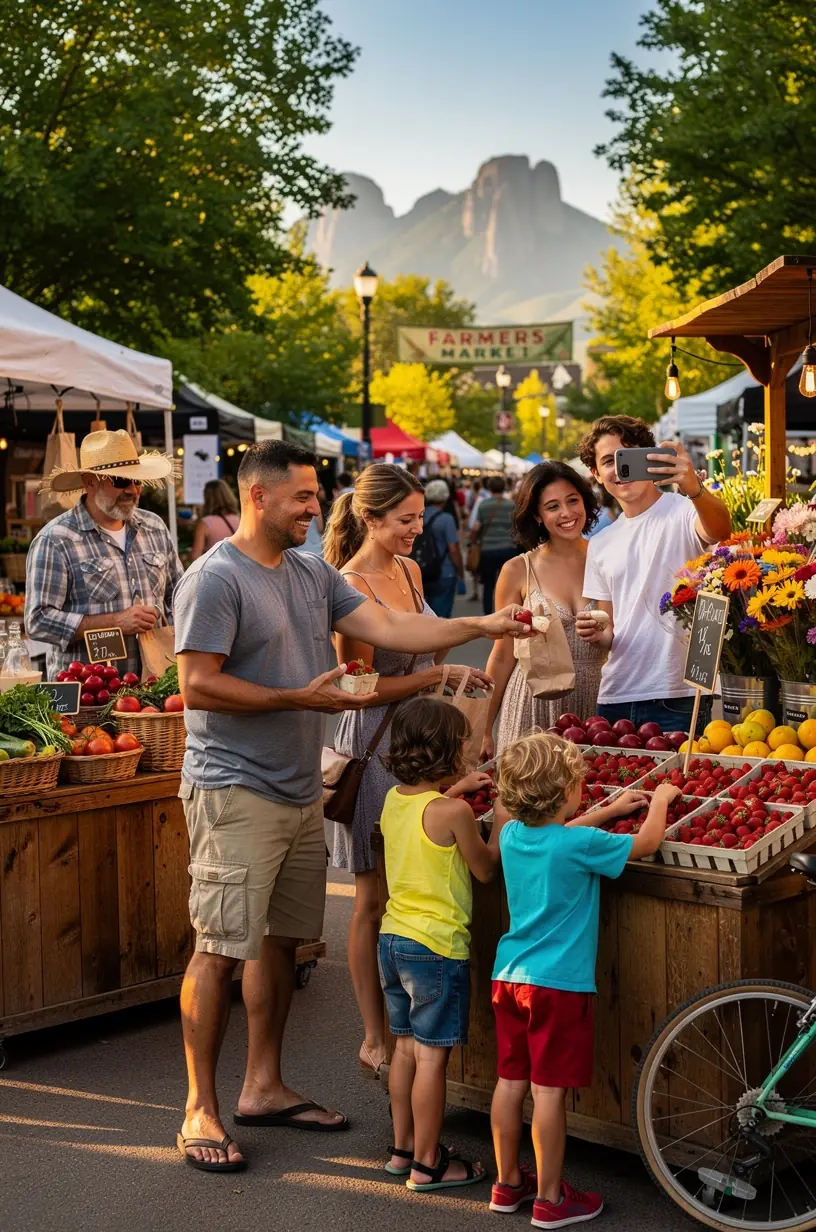
"Food is an expression of culture; it tells a story about the people and their heritage." - Culinary Historian
How Food Tours Facilitate Cultural Connections
Food tours have gained popularity as a means for travelers to engage with local cultures authentically. These experiences typically include:
- Guided Exploration: Many food tours are led by locals who provide insights into the history and significance of the dishes being sampled. This personalized touch can offer a deeper understanding of the cultural context.
- Diverse Tastings: Participants often experience a variety of cuisines, showcasing the neighborhood's culinary diversity. Research indicates that culinary diversity in neighborhoods can enhance social cohesion and cultural exchange.
- Local Ingredients: Many tours emphasize the use of locally sourced ingredients. This not only supports local farmers but also highlights the region's agricultural practices and seasonal cycles.
Practical Tips for Experiencing Local Cuisine
To make the most of your culinary exploration, consider the following tips:
- Do Your Research: Before arriving, look into popular local dishes and specialties. Understanding what to expect can enhance your appreciation.
- Engage with Locals: Strike up conversations with chefs and vendors. Many users report that these interactions can lead to discovering hidden gems off the beaten path.
- Be Open to New Experiences: Try dishes that are unfamiliar to you. Experts recommend embracing culinary adventures as a way to expand your palate and understanding of different cultures.
Challenges and Considerations
While exploring food can be rewarding, it is important to acknowledge some challenges:
- Adventurous eating often requires stepping outside of your comfort zone, which can be daunting for some travelers.
- Time and effort are needed to fully appreciate local cuisines, as many dishes are best enjoyed when prepared fresh.
- Dietary restrictions may limit options, so it’s advisable to communicate your needs clearly when joining food tours or dining out.
Conclusion
Exploring food as a cultural gateway not only enriches your travel experience but also fosters a deeper connection with the neighborhoods you visit. By engaging with local cuisines, you open yourself to the stories and traditions that shape a community. As you embark on your culinary journey, remember to approach each experience with curiosity and respect for the cultural significance behind every dish.